On 18 December 2025, India and Oman signed the India Oman Comprehensive Economic Partnership Agreement, a wide ranging trade pact covering goods, services, investment and cooperation on key trade frictions. For Indian businesses, the headline is straightforward: Oman has committed zero duty access on 98.08% of its tariff lines, covering 99.38% of India’s exports to Oman by value, with immediate tariff elimination on 97.96 percent of tariff lines.
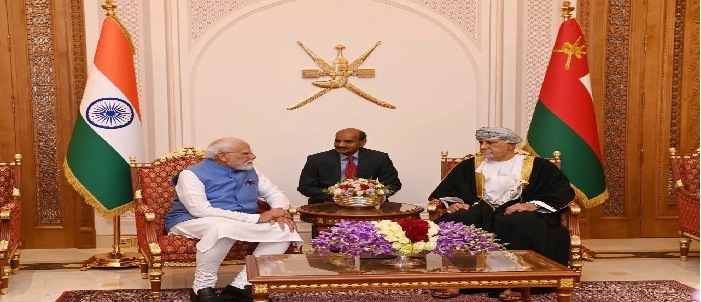
In return, India has offered tariff liberalisation on 77.79 percent of its tariff lines, covering 94.81 percent of India’s imports from Oman by value, with many sensitive items managed through tariff rate quotas or excluded altogether. Bilateral trade already stands at over USD 10 billion, and the CEPA is designed to deepen this corridor with both tariff and non tariff outcomes.
Why Oman matters in an India export strategy
Oman is not only a consumption market. It is also a practical gateway into the Gulf, East Africa and parts of the wider Middle East through established logistics networks and free zones. The economic relationship is already mature: FY 2024-25 bilateral trade was USD 10.61 billion, with India’s exports at USD 4.07 billion and imports at USD 6.55 billion.
The existing trade basket is also instructive. In calendar year 2024, India’s main exports to Oman included light oils and preparations, aluminium oxide, rice, machinery and mechanical appliances, aircraft, electrical machinery, beauty and make up preparations, plastics, iron and steel, and ceramics.
On the import side, India sourced crude petroleum, LNG, urea, organic chemicals, anhydrous ammonia, sulphur and minerals, plastics in primary forms, aircraft, and iron ores and concentrates.
This matters because CEPA benefits are most valuable where India already has scale, reliable supply chains and proven product market fit, and where a tariff edge can decisively shift buyer decisions.
What Oman’s tariff commitments mean for Indian exports.
1) Near universal duty free access, with immediate impact
Oman’s CEPA commitment is unusually deep for a Gulf partner: zero duty access on 98.08% of tariff lines, covering 99.38% of India’s exports by value, and largely effective immediately.
For Indian exporters, this creates three practical advantages:-
- Price competitiveness versus non FTA suppliers, especially in price sensitive segments.
- Room to invest in branding, distribution and after sales while protecting margins.
- More predictable landed costs for Omani importers, improving long term contracting.
2) Sectors explicitly highlighted for full tariff elimination
The Government’s announcement specifically calls out labour intensive and manufacturing heavy sectors expected to gain from full tariff elimination, including textiles, leather, footwear, gems and jewellery, engineering products, plastics, furniture, agricultural products, pharmaceuticals, medical devices and automobiles.
This is particularly relevant for MSMEs and mid market exporters because Oman’s market is large enough to scale but often more accessible than some highly regulated jurisdictions.
3) Agriculture and food: specific products where competitiveness improves
India’s strong share in Oman’s agricultural imports in 2024 and the FTA opens a key export opportunity for items such as basmati and parboiled rice, bananas, potatoes, onions, soybean meal, sweet biscuits, cashew kernels, mixed condiments, butter, fish body oil, prawn and shrimp feed, frozen boneless bovine meat, and fertilised eggs.
It further flags duty free access benefits for products like boneless bovine meat, fresh eggs, sweet biscuits, cashew kernels, certain milk derived fats and oils, mixed condiments and seasonings, prepared or preserved potatoes, egg yolks, guar gum, kabuli chana and certain cheeses, and also mentions tariff elimination for butter, sugar confectionery, bakery products, poultry meat and offal, fruit squashes and natural honey. For exporters in these categories, CEPA can convert an existing trade flow into a structurally advantaged position, provided origin and documentation are managed well.
Non tariff benefits: the part that often matters more than tariffs
Tariffs are only one part of real market access. CEPA’s announcement explicitly addresses non tariff frictions and includes several commercially meaningful measures:
Pharmaceutical and medical products facilitation
Oman has committed to fast tracking marketing authorisations for pharmaceutical products approved by major regulators such as USFDA, EMA and UKMHRA, and to acceptance of GMP inspection documents, reducing time and cost for Indian pharma exporters.
Halal, organic and standards cooperation
The CEPA announcement also references:-
- Facilitation of mutual recognition arrangements for Halal certification
- Acceptance of India’s NPOP certification for organic products
- Enhanced cooperation in standards and conformity assessment
For food, personal care and consumer product exporters, these elements can reduce repetitive testing and certification friction, provided implementing procedures are notified and operationalised.
Commitment to tackle persistent non tariff barriers The government note explicitly states that CEPA includes provisions to address non tariff barriers that can persist even where tariffs are reduced. Press Information Bureau
In practice, this tends to mean clearer consultation channels, transparency commitments and structured cooperation between regulators and customs authorities.
Major Indian export products to Oman today, and where CEPA can scale volumes
India’s key exports already include:-
- Refined petroleum and light oils and preparations
- Aluminium oxide
- Rice
- Machinery and mechanical appliances
- Aircraft and parts
- Electrical machinery and equipment
- Beauty and personal care preparations
- Plastics and articles
- Iron and steel
- Ceramic products
CEPA’s sector focus suggests additional upside in:
- Textiles and apparel, especially where Indian suppliers can build retailer relationships and private label programs
- Engineering goods and auto, where duty removal can support OEM and aftermarket channels
- Pharmaceuticals and medical devices, given the explicit regulatory facilitation signals
- Processed foods and agri products where India already has a strong presence and where duty free access can expand shelf space and institutional buyers
- Furniture, plastics and consumer goods, where price elasticity is high and tariff removal often translates quickly into market share gains
Conclusion:
The India Oman CEPA is structured to deliver immediate competitiveness for Indian goods in Oman through near universal duty free access, while also creating longer term growth options through services, investment and mobility provisions.
For businesses that move early, the advantage will come not just from tariffs, but from building compliant origin processes, tightening documentation, and using the agreement’s non tariff pathways to reduce friction and accelerate time to market.